
Transformer
(Total 8 Products)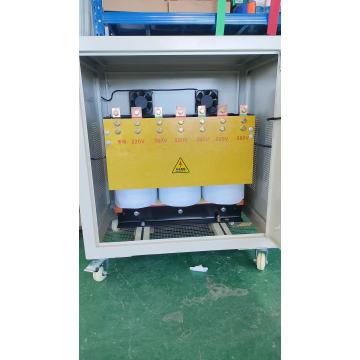
-
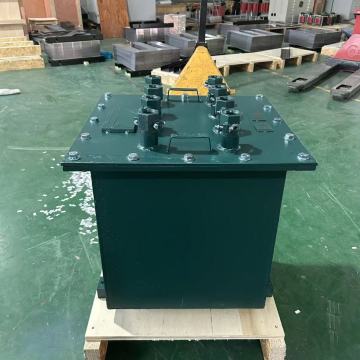
 Min. Order:1Explosion Proof Dry Type Transformer for Mining is a specialized electrical device designed to provide safe and reliable power distribution in hazardous environments, particularly within the mining industry. This transformer is engineered to meet...
 -
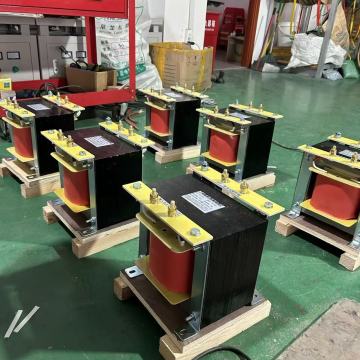
 Min. Order:1Transformer for solar power systems plays a crucial role in ensuring the safe and efficient operation of photovoltaic energy generation. These specialized devices are designed to provide electrical isolation between the solar panels and the grid or...
 -
 Min. Order:1Transformers are essential components in electrical systems, providing isolation and voltage regulation for various applications. Among the many types of transformers available, single phase isolation transformers play a crucial role in ensuring...
 -
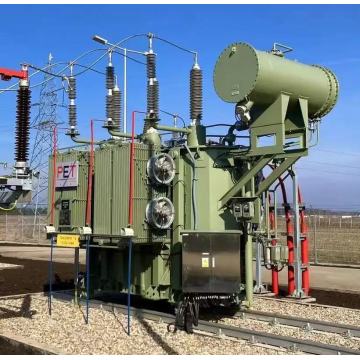
 Min. Order:1Power Transformer Oil Filled for Electrical Power: Advanced High Voltage Oil Transformer Solutions Power transformer oil filled is a critical component in modern electrical power systems, designed to efficiently transfer electrical energy between...
 -
 Min. Order:1Transformers play a crucial role in modern power systems, ensuring the efficient transfer and regulation of electrical energy. Among various types, the step up transformer for power supply is widely used to increase voltage levels from lower to...
 -
 Min. Order:1Model No:SCB14-2000/10.5Transformer is a versatile and innovative product designed to enhance performance, efficiency, and adaptability across a wide range of applications. Whether you're looking for a device that can seamlessly transition between different modes or a...
 -
 Min. Order:1Model No:hjssp-4000/10、SG-18KVA、 SCB10 、ZSGPK-1000Transformers are a revolutionary class of deep learning models that have transformed the landscape of natural language processing and beyond. Designed to handle complex tasks such as text generation, translation, and sentiment analysis, these models...
 -
 Min. Order:1Model No:S20/S22/S13/S11-MROutdoor power systems (substations, transmission lines), and power distribution for industrial enterprises are essential components in ensuring the efficient and reliable operation of electrical infrastructure. These systems are designed to manage...
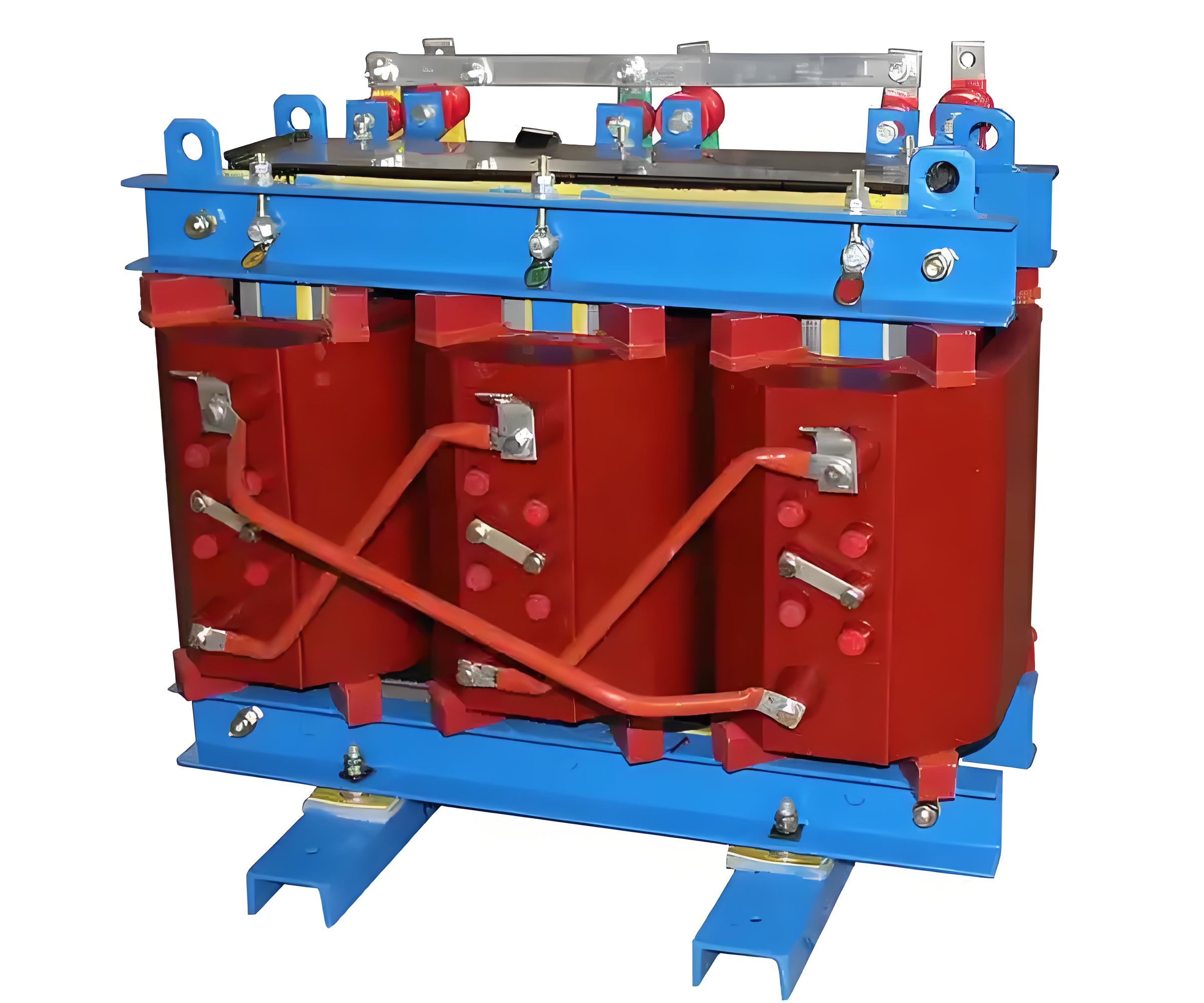
A Transformer is an electrical device designed to transfer electrical energy between two or more circuits through the principle of electromagnetic induction. Its primary function is to change voltage levels (stepping up or stepping down) while maintaining the frequency of the alternating current (AC), making it indispensable in power systems and various electrical applications.
Key Components & Working Principle
A typical transformer consists of three main parts:
1. Magnetic Core: Usually made of laminated iron or steel sheets to minimize energy loss from eddy currents. It provides a path for the magnetic flux linking the windings.
2. Primary Winding: The coil connected to the input voltage source. It generates a changing magnetic field when AC flows through it.
3. Secondary Winding: The coil connected to the load. The changing magnetic flux from the core induces a voltage in this winding via mutual inductance.
Functionality
Transformers operate on the relationship between voltage, current, and the number of turns in the windings. By adjusting the ratio of turns in the primary and secondary coils, they either increase ("step up") or decrease ("step down") voltage. For example:
• Step-Up Transformers: Used in power generation stations to raise voltage for long-distance transmission, reducing energy loss due to lower current.
• Step-Down Transformers: Deployed at substations or distribution points to lower voltage to safer, usable levels for homes, industries, and devices.
Applications
Transformers are foundational in modern electrical infrastructure, including:
• Power Grids: Enabling efficient transmission and distribution of electricity.
• Industrial Equipment: Powering machinery with stable voltage.
• Electronics: Miniaturized versions (e.g., in phone chargers) convert high-voltage mains to low-voltage DC.
• Renewable Energy: Integrating solar/wind power into grids by matching voltage levels.
Advantages
They offer high efficiency (often >98%), reliability, low maintenance, and no moving parts, making them a cost-effective solution for voltage conversion across scales—from tiny adapters to massive grid transformers.
In summary, transformers are critical enablers of safe, efficient, and widespread electrical energy use worldwide.
Step 1
Transformer
1. Magnetic Core: Usually made of laminated iron or steel sheets to minimize energy loss from eddy currents. It provides a path for the magnetic flux linking the windings.
2. Primary Winding: The coil connected to the input voltage source. It generates a changing magnetic field when AC flows through it.
3. Secondary Winding: The coil connected to the load. The changing magnetic flux from the core induces a voltage in this winding via mutual inductance.
2. Primary Winding: The coil connected to the input voltage source. It generates a changing magnetic field when AC flows through it.
3. Secondary Winding: The coil connected to the load. The changing magnetic flux from the core induces a voltage in this winding via mutual inductance.
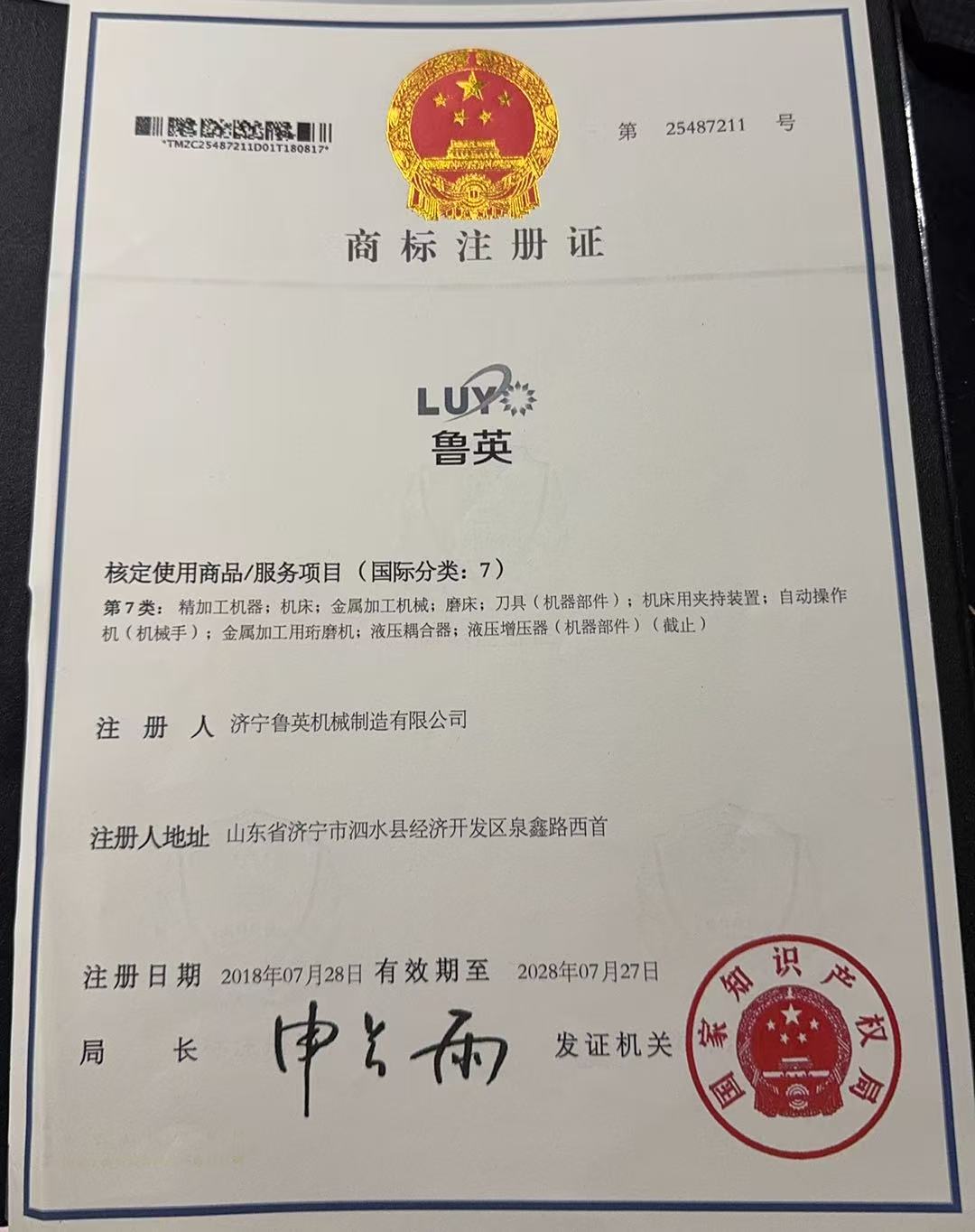
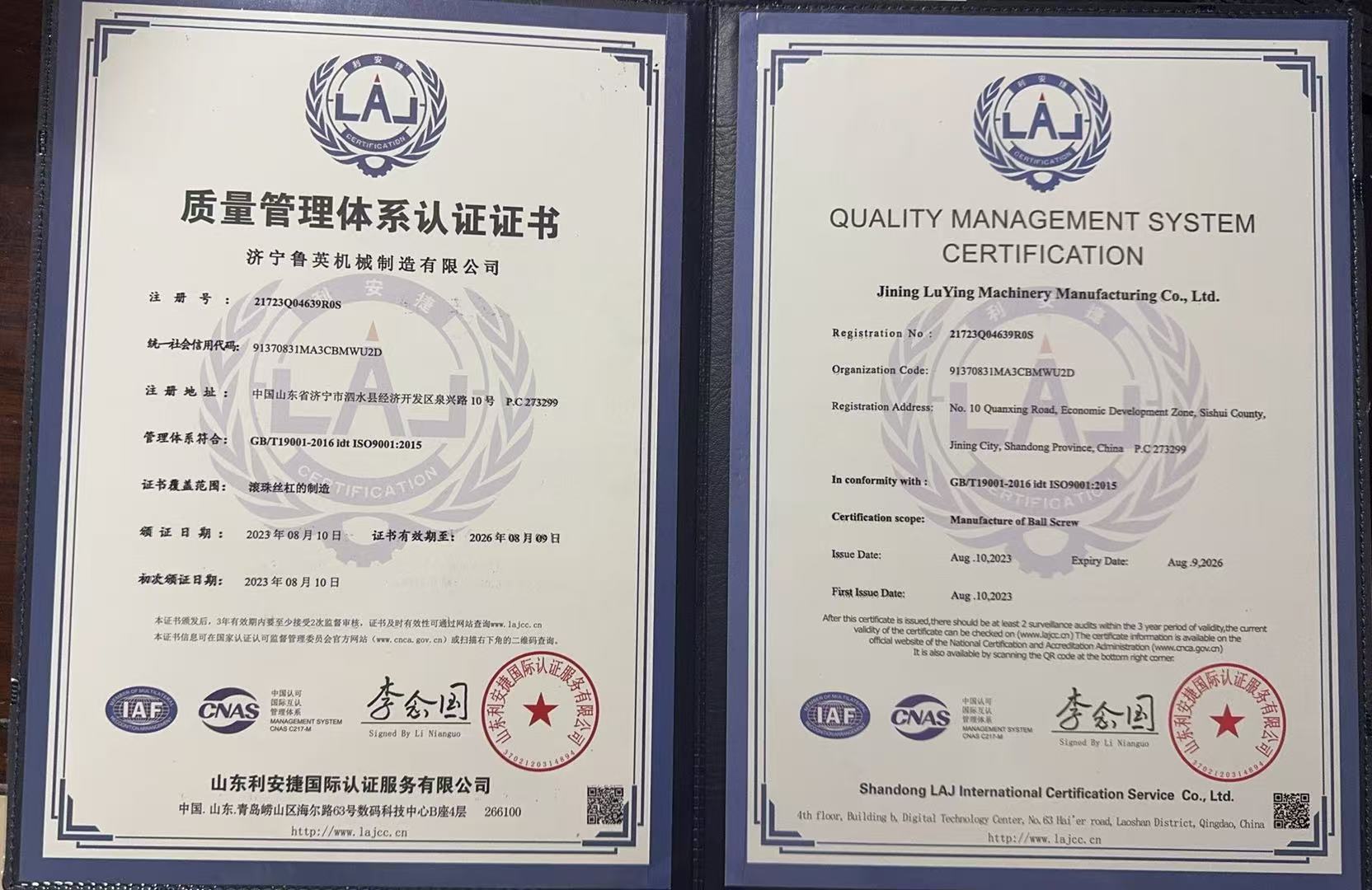
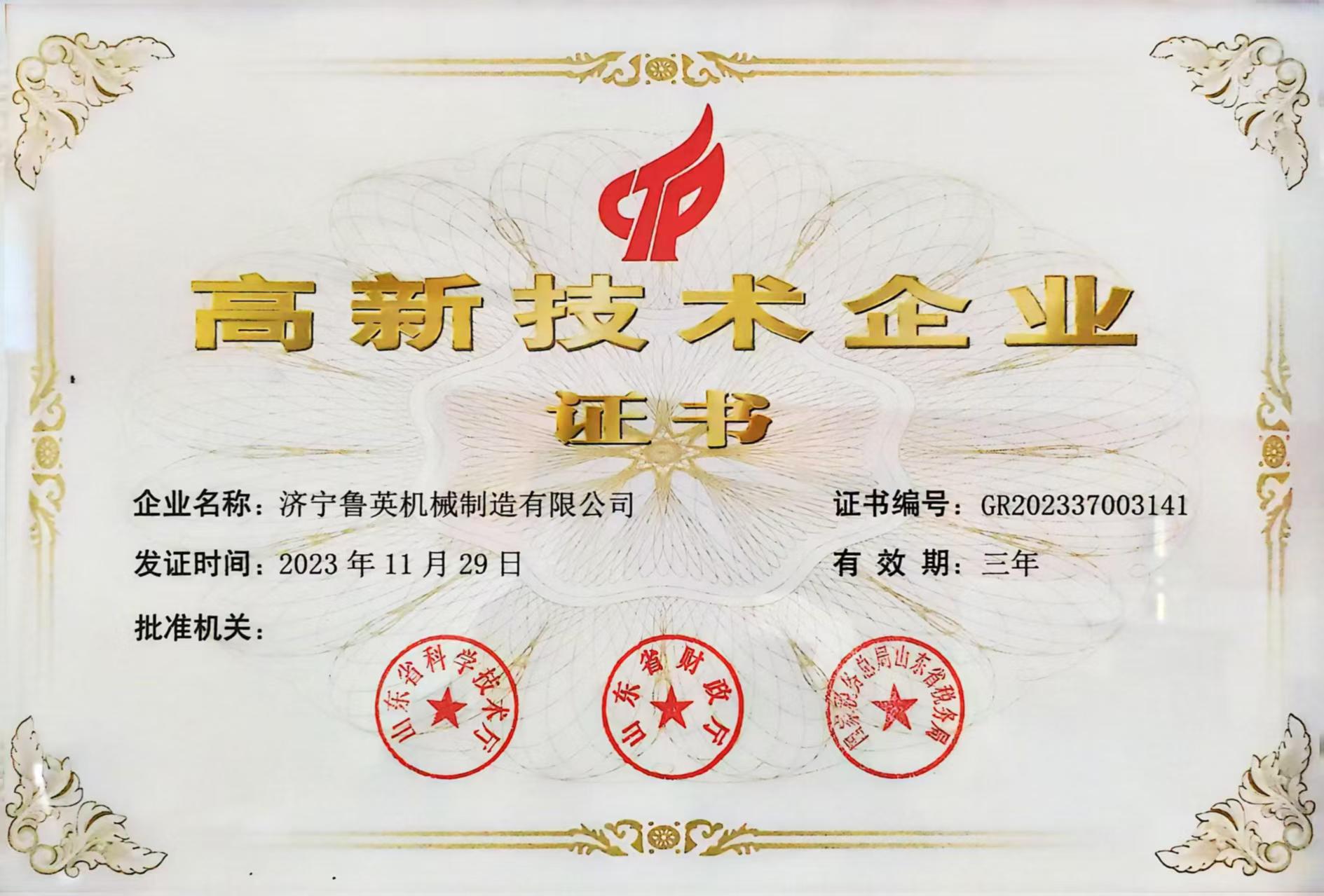
QUALIFICATIONS AND HONORS
UTILITY MODEL PATENT CERTIFICATE
UTILITY MODEL PATENT CERTIFICATE
UTILITY MODEL PATENT CERTIFICATE
Step 1
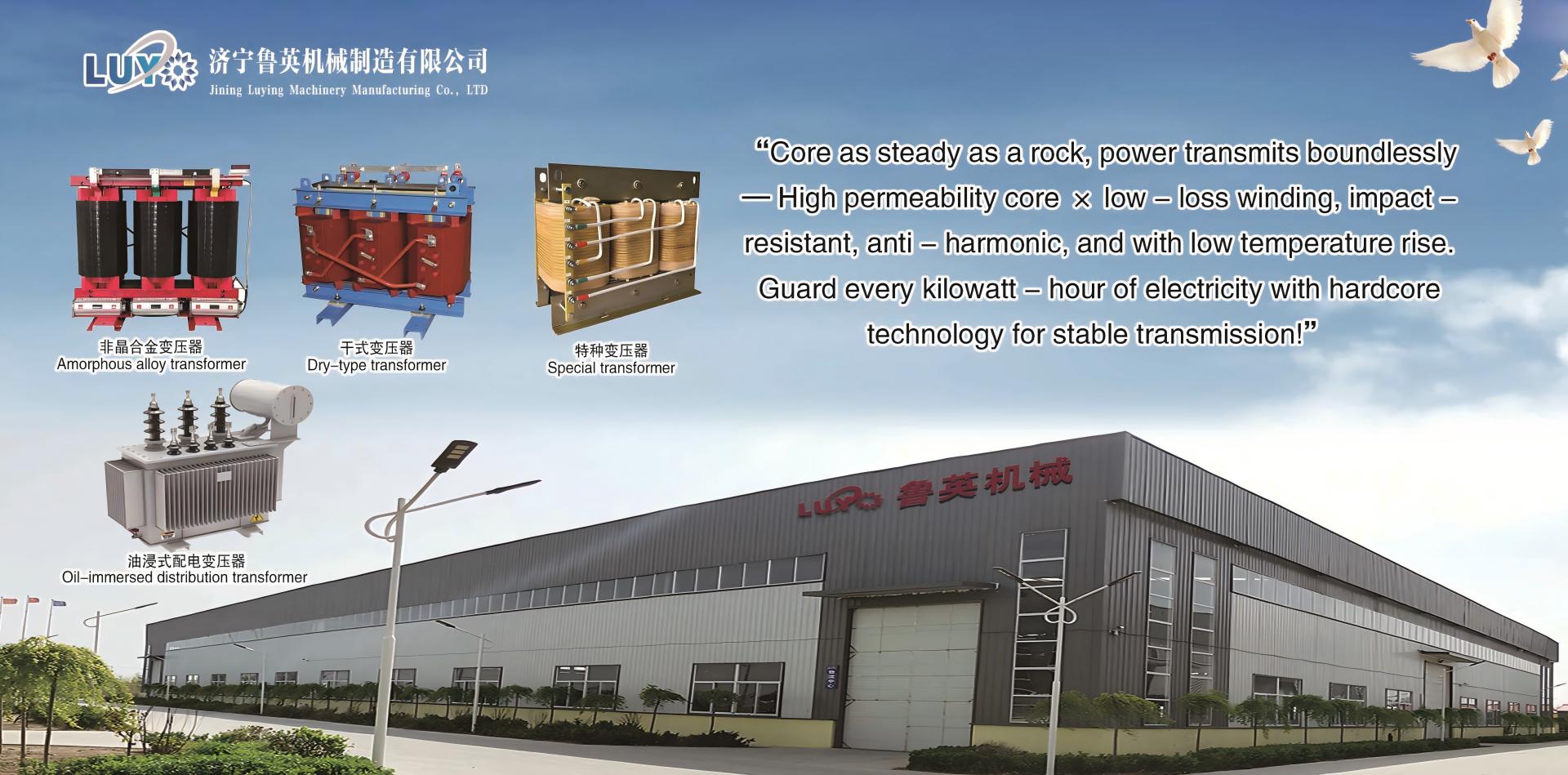
Jining Luying Machinery Manufacturing Co., Ltd.
We travel to the ends of the earth in search of theworld's finest fibres. Once home with us in italy.we transform them in sublime garments throughtime-honoured manufacturing techniques