
Cable
(Total 8 Products)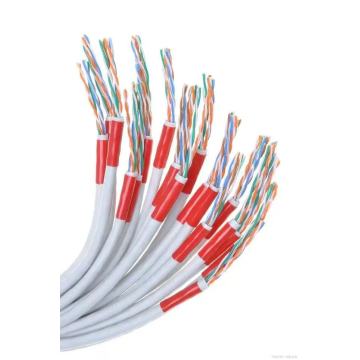
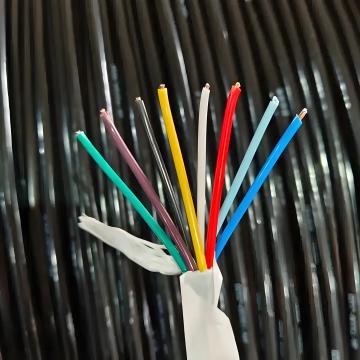
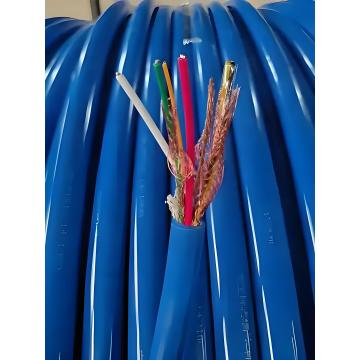
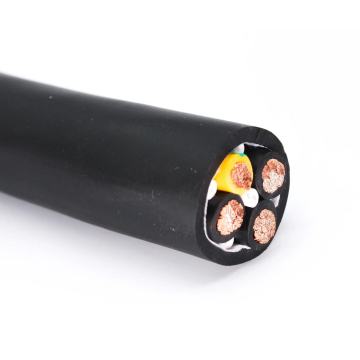
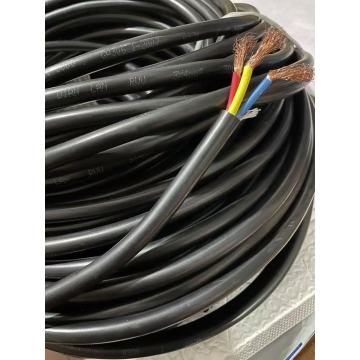
-
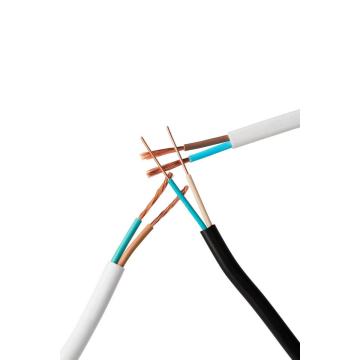
 Min. Order:1Discover a wide range of high-quality cables designed specifically for home use, offering reliable performance and long-lasting durability. Whether you're looking for wire for household appliances or cable wire for home, our products are engineered...
 -
 Min. Order:1Cable for computer is an essential component in today's digital world, connecting various devices and ensuring seamless data transfer. Whether you are setting up a home office, upgrading your gaming rig, or managing a professional workstation,...
 -
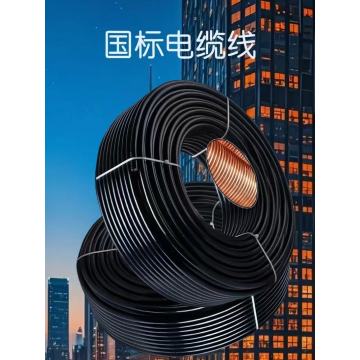
 Min. Order:1Standard cable types are essential components in modern electrical and data transmission systems, offering reliable connectivity across a wide range of applications. Whether you're working on industrial projects, residential installations, or...
 -
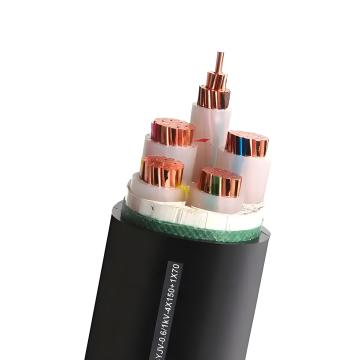
 Min. Order:1Model No:ZR-YJV22-8.7/15Product Category: Cable Cable is a versatile and essential component in modern technology, serving as the backbone for data transmission, power delivery, and connectivity across various industries. Whether it's for home use, industrial applications,...
 -
 Min. Order:1Model No:KVV 、KVVR 、KVVP 、KVV22Product Classification: Cable Cable is a fundamental component in modern technology, serving as the backbone for transmitting data, power, and signals across various systems. Whether it's for home use, industrial applications, or commercial...
 -
 Min. Order:1Model No:HYA、HYAT 、HYAC、 HYA53、 MHYAV22 、HYAP 、MHYVP 、ZRA-HYAProduct Category: Cable Cable is an essential component in modern technology, serving as the backbone for transmitting data, power, and signals across a wide range of applications. Whether it's connecting devices within a home, facilitating...
 -
 Min. Order:1Cold Resistant Cables: Reliable Performance in Harsh Environments Cable cold resistant products are designed to deliver exceptional performance in extreme low-temperature conditions. Whether used in industrial, commercial, or outdoor applications,...
 -
 Min. Order:1Waterproof and freeze resistant cable is a specialized type of cabling designed to perform reliably in extreme weather conditions. Whether you are working in a cold climate or dealing with moisture-prone environments, this cable offers exceptional...
A Cable (or electrical cable) is a flexible assembly of one or more insulated conductors, often enclosed in a protective sheath, designed to transmit electrical power, signals, or data over distances. It serves as a critical medium for connecting power sources to devices, enabling communication networks, and supporting industrial operations, among other applications. Below is a detailed overview:
Structure of a Cable
Most cables consist of several key components tailored to their function:
1. Conductor: The innermost part, typically made of copper (high conductivity) or aluminum (lightweight and cost-effective). It carries the electrical current or signal. Conductors may be solid (single wire) or stranded (multiple thin wires twisted together for flexibility).
2. Insulation Layer: A non-conductive material (e.g., PVC, XLPE—cross-linked polyethylene, or rubber) surrounding the conductor to prevent short circuits and ensure safety by separating conductors or isolating them from external elements.
3. Shielding (Optional): A metallic layer (e.g., braided copper, aluminum foil) added around the insulation to block electromagnetic interference (EMI) or radio frequency interference (RFI), common in signal-carrying cables like coaxial or data cables.
4. Sheath/Jacket: The outer protective layer, made of durable materials (e.g., PVC, polyethylene, or rubber), shielding the cable from environmental damage (moisture, abrasion, chemicals, UV radiation) and mechanical stress.
Types of Cables
Cables are categorized based on their purpose, voltage, and application:
1. Power Cables
• Function: Transmit electrical power (AC or DC) for grids, industrial machinery, buildings, etc.
• Examples:
◦ Low-Voltage Cables: For residential/commercial use (e.g., 120V/240V household wiring).
◦ Medium/High-Voltage Cables: For power transmission (1kV–330kV+), often with thick insulation and armored jackets for underground or overhead lines.
◦ Submarine Cables: Designed for underwater power transmission between offshore platforms or countries.
2. Communication/Data Cables
• Function: Transmit signals (voice, data, video) for telecom, internet, or broadcasting.
• Examples:
◦ Coaxial Cable: Uses a central conductor, insulation, braided shield, and outer jacket; common in cable TV, broadband, and RF systems.
◦ Twisted-Pair Cable: Two insulated wires twisted together (e.g., Ethernet cables like Cat5e/Cat6 for local area networks).
◦ Fiber-Optic Cable: Uses thin glass/plastic fibers to transmit data via light pulses; offers high bandwidth and immunity to EMI.
3. Control Cables
• Function: Carry low-power signals to control machinery or automation systems (e.g., in factories, robotics).
• Features: Often shielded and flexible to resist interference in industrial environments.
4. Specialty Cables
• Fire-Resistant Cables: Withstand high temperatures (e.g., in buildings, tunnels, or ships for emergency systems).
• Solar Cables: Designed for photovoltaic systems, resistant to UV, moisture, and extreme temperatures.
Key Functions & Advantages
• Power Transmission: Efficiently deliver electricity from generation sources (power plants) to end-users (homes, industries) with minimal loss.
• Signal Integrity: Maintain signal quality in communication systems, even over long distances or in noisy environments (via shielding).
• Durability: Withstand harsh conditions (temperature extremes, moisture, physical stress) due to robust insulation and sheathing.
• Safety: Insulation prevents electric shocks, while grounding and shielding reduce fire or equipment damage risks.
Applications
Cables are ubiquitous across sectors:
• Energy: Power grids, renewable energy (solar/wind farms), and oil/gas pipelines.
• Telecommunications: Internet, mobile networks, and broadcasting.
• Industrial: Factories, robotics, and manufacturing equipment control systems.
• Infrastructure: Buildings (wiring), transportation (railways, airports), and smart cities.
• Consumer Electronics: Chargers, appliances, and home networks.
Summary
Cables are the unsung backbone of modern electrification and communication, enabling seamless power delivery, data exchange, and industrial automation. Their design—combining conductors, insulation, and protective layers—ensures reliability across diverse environments, making them indispensable to global infrastructure and daily life.
Step 1
Cable
Cable is an important kind of electrical wire.It can send electricity and messages over long distances.It is necessary for many machines and equipment
QUALIFICATIONS AND HONORS
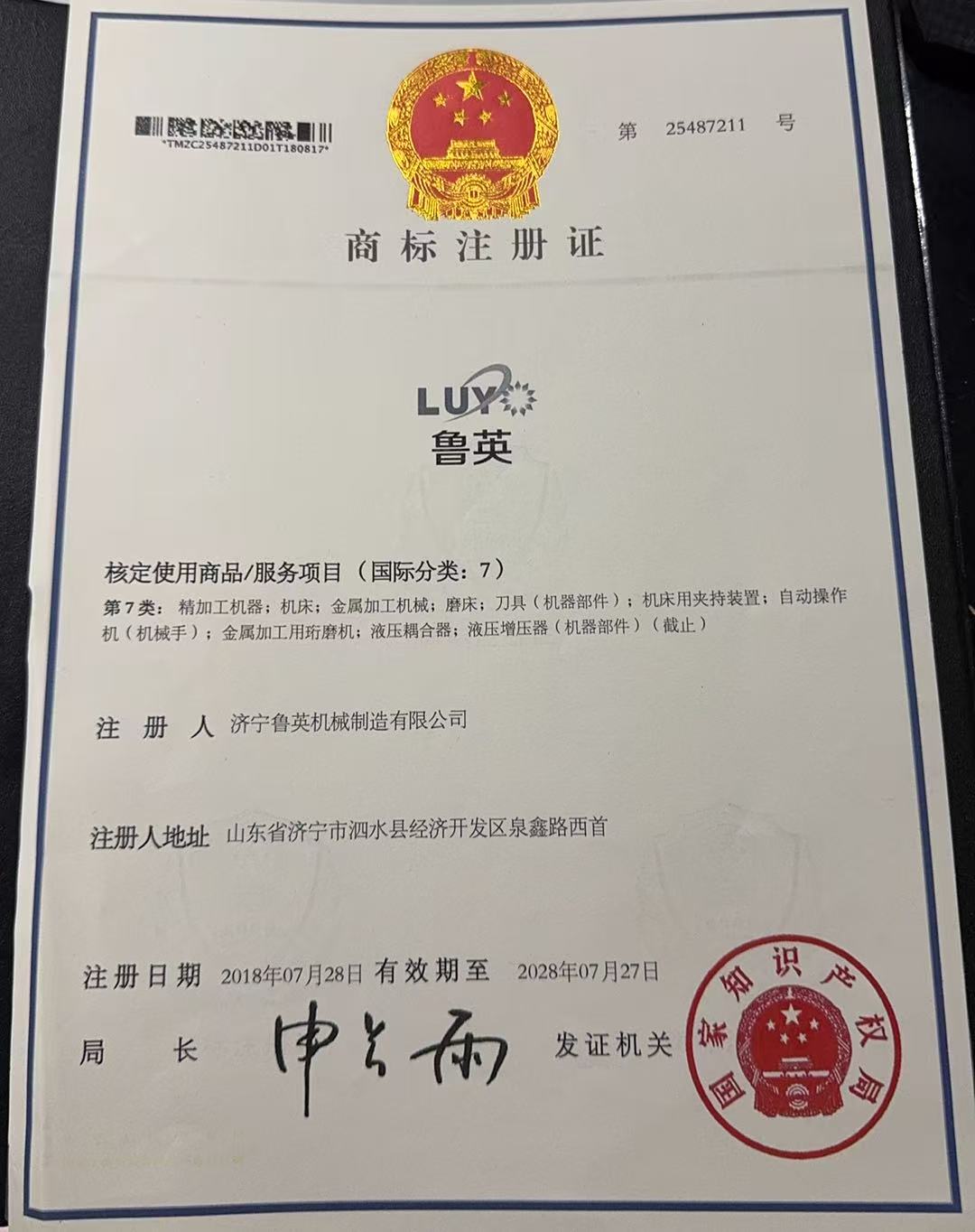
Trademark Registration Certificate

Quality Management System Certification
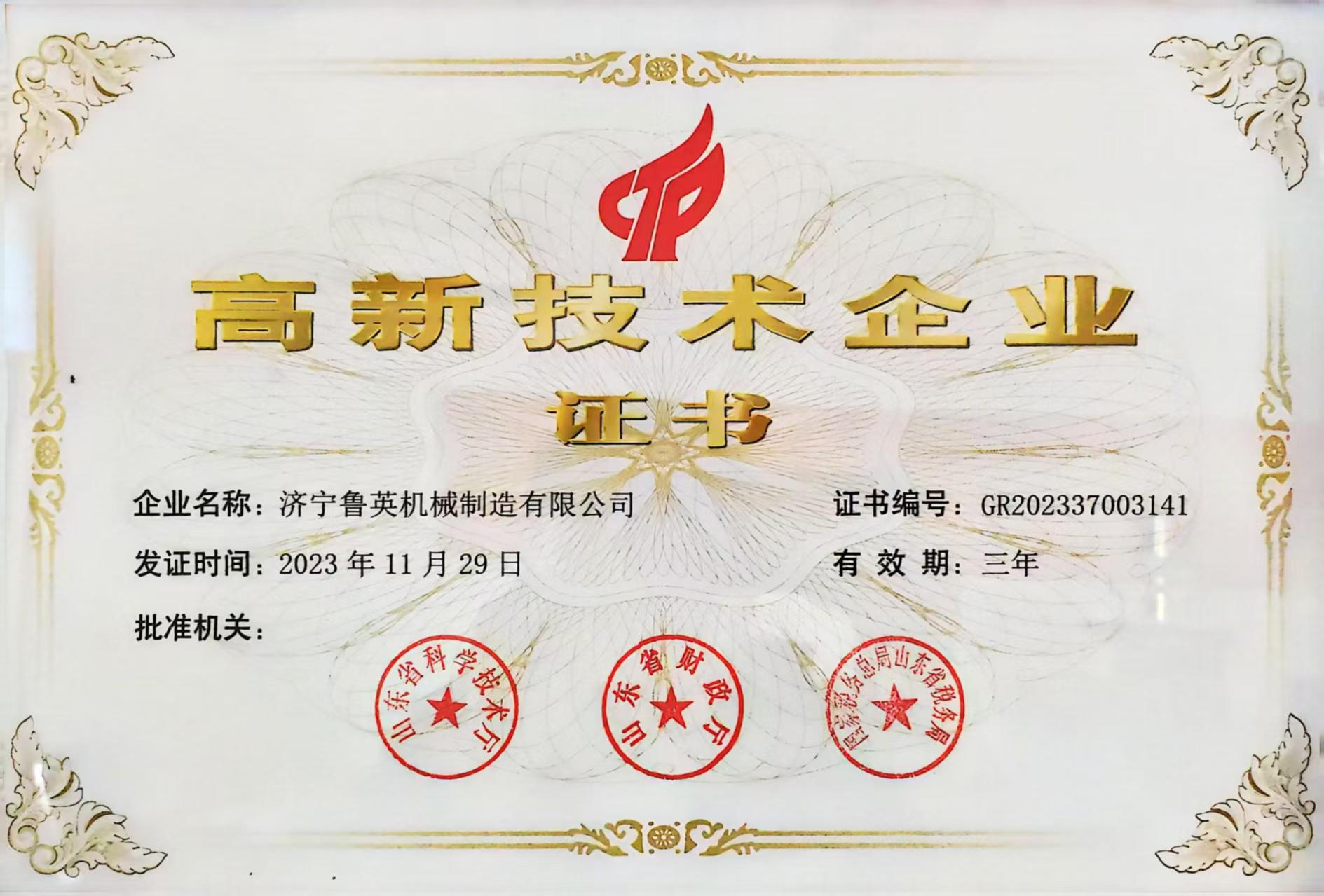
Quality Management System Certification
Step 1
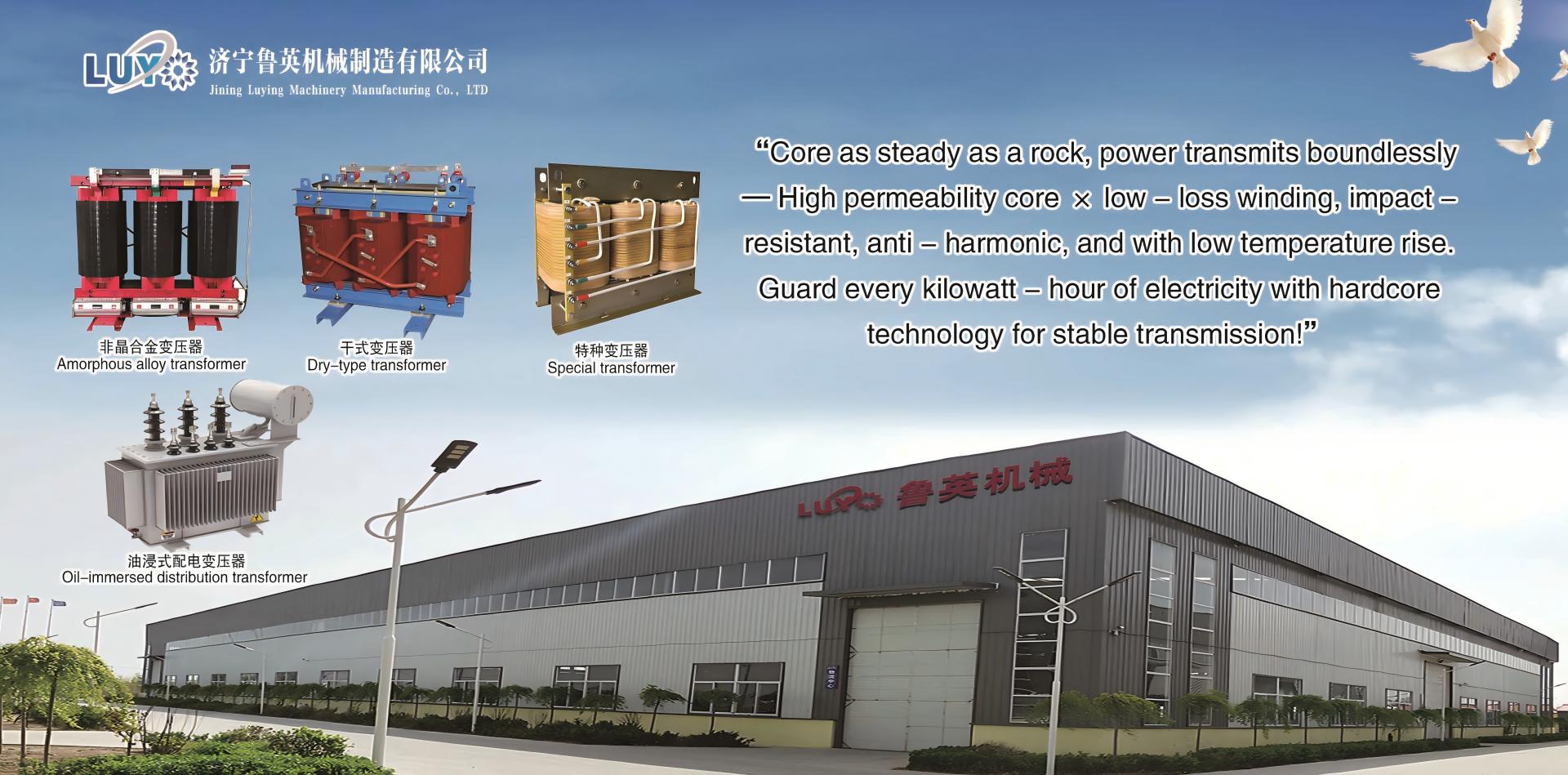
Jining Luying Machinery Manufacturing Co., Ltd.
We travel to the ends of the earth in search of theworld's finest fibres. Once home with us in italy.we transform them in sublime garments throughtime-honoured manufacturing techniques