Ball Screw
(Total 54 Products)
-
Precision ball screw systems are essential components in modern industrial applications, offering unparalleled accuracy and efficiency. These high accuracy lead screws are designed to convert rotational motion into linear motion with minimal...
-
Precision high speed ball screw is a critical component in modern industrial machinery, designed to provide exceptional accuracy and efficiency in motion control systems. This advanced ball screw technology is specifically engineered for high-speed...
-
When it comes to precision motion control, the ball screw stands as a cornerstone of modern engineering. As a critical component in various mechanical systems, the ball screw is designed to convert rotational motion into linear motion with high...
-
Ball Screw with High Precision: Accurate Ball Screw Assembly for Industrial Applications
-
High precision ball screw system is a critical component in modern industrial machinery, designed to provide accurate linear motion with minimal friction and high efficiency. These systems are essential for applications requiring precise control and...
-
High-Precision CNC Milling Ball Screw: Precision and Durability for Industrial Applications The high-precision CNC milling ball screw is a critical component in modern machining systems, designed to deliver exceptional accuracy, reliability, and...
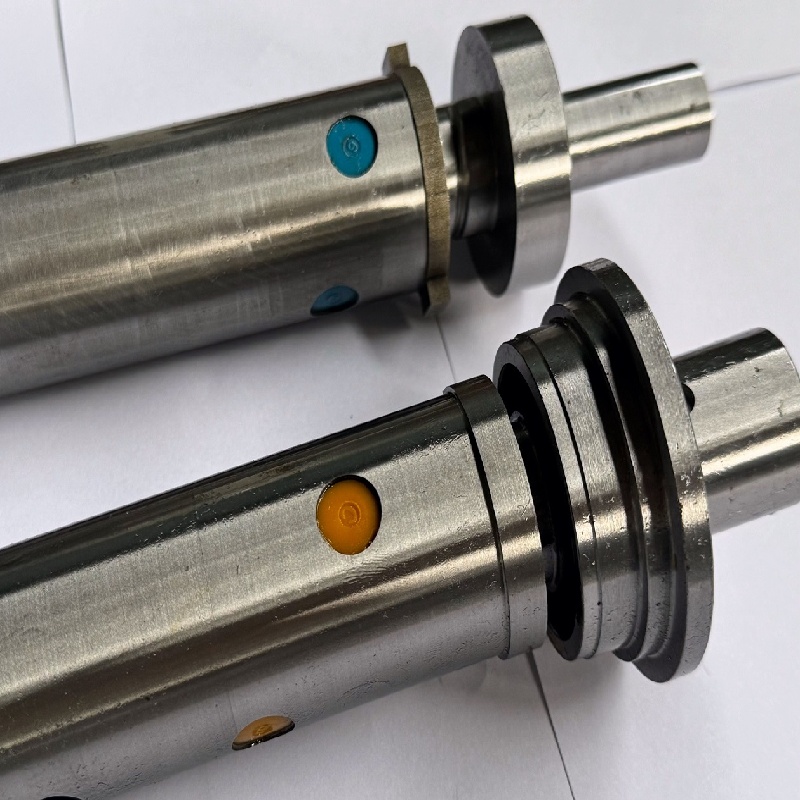
Ball screws, also known as Ball Screw drives, are high-precision mechanical transmission components designed to convert rotary motion into linear motion (or linear motion into rotary motion) with minimal friction. They are core components in precision machinery, relying on rolling steel balls between the screw shaft and nut to replace the sliding friction of traditional lead screws, delivering high efficiency, positioning accuracy, and service life, and are widely used in CNC machine tools, robotics, aerospace equipment, and automotive manufacturing. ## Basic Structure A ball screw assembly consists of four core components, working together to achieve precise motion transmission: - **Screw Shaft**: A cylindrical shaft with a helical raceway machined on its surface, made of high-strength alloy steel (such as 40Cr or SUJ2) and hardened to HRC 58-62 to ensure wear resistance. The helical raceway is precision-ground to a smooth surface, reducing friction with the steel balls. - **Nut**: A hollow component matching the screw shaft, with a corresponding helical raceway on its inner surface. It is also made of hardened alloy steel, and some high-precision nuts are designed with a recirculation system for the steel balls. - **Steel Balls**: Small, high-hardness bearing steel balls (usually GCr15) that roll between the screw and nut raceways, converting sliding friction into rolling friction. The size and quantity of the steel balls are determined according to the load and precision requirements of the ball screw. - **Recirculation System**: A structure that guides the steel balls back to the start of the raceway after they reach the end of the nut, enabling continuous rolling. There are two main types: external recirculation (using a tube to guide balls) and internal recirculation (using a built-in reverse device), with internal recirculation offering a more compact structure. --- ## Working Principle The operation of a ball screw relies on the rolling motion of steel balls to achieve efficient motion conversion: 1. **Motion Conversion**: When the screw shaft rotates, the steel balls roll along the helical raceway, driving the nut to move linearly along the shaft. Conversely, when an external force pushes the nut to move linearly, the steel balls roll to drive the screw shaft to rotate. 2. **Friction Reduction**: The rolling contact between the steel balls and the raceways reduces friction to 1/10 or less of that of traditional sliding lead screws, improving transmission efficiency (up to 90-98%) and reducing energy consumption. 3. **Precision Maintenance**: The precision-ground raceways and uniform steel ball size ensure consistent motion accuracy. Preloaded ball screws (with a slight interference fit between the screw and nut) can eliminate backlash, achieving positioning accuracy within ±0.001 mm per 300 mm of travel. --- ## Core Performance Specifications Ball screws meet strict performance standards for precision mechanical applications: | Performance Parameter | Typical Range | Key Function | | ---- | ---- | ---- | | Transmission Efficiency | 90-98% | Reduces energy consumption compared to sliding lead screws | | Positioning Accuracy | ±0.001 to ±0.05 mm/300mm | Ensures precise positioning in CNC and robotic systems | | Axial Load Capacity | 1,000 to 100,000 N | Withstands linear working loads in heavy-duty equipment | | Rotational Speed | Up to 5,000 rpm | Adapts to high-speed motion in automated machinery | | Service Life | 10,000 to 100,000 hours (under rated load) | Reduces maintenance frequency for long-term operation | In addition, ball screws have low heat generation during operation, and high-precision models can maintain consistent performance even after long-term continuous use. --- ## Key Advantages - **High Efficiency**: Far higher transmission efficiency than traditional sliding lead screws, reducing the required driving power and energy consumption - **High Precision**: Can achieve micron-level positioning accuracy, meeting the requirements of precision machining and automated assembly - **Long Service Life**: The rolling friction design reduces wear, extending the service life of the component by 3-5 times compared to sliding lead screws - **Low Backlash**: Preloaded ball screws can eliminate axial backlash, ensuring reverse motion accuracy and stability - **Low Maintenance**: The sealed recirculation system reduces the need for lubrication and maintenance, improving equipment uptime --- ## Applications Ball screws are used in all types of precision machinery that require linear motion transmission: - **CNC Machine Tools**: Used in the feed axes of milling machines, lathes, and grinders, ensuring precise cutting and positioning - **Robotics**: Used in the joint actuators and linear modules of industrial robots, enabling smooth and accurate motion - **Aerospace**: Used in aircraft flight control systems and satellite positioning mechanisms, withstanding extreme environmental conditions - **Automotive Manufacturing**: Used in automated assembly lines and vehicle testing equipment, improving production efficiency and precision - **Medical Equipment**: Used in surgical robots and diagnostic equipment, ensuring precise and stable motion --- ## Installation and Maintenance ### Installation Precautions 1. **Alignment Check**: Ensure the screw shaft is coaxial with the installation base, avoiding misalignment that could cause increased friction or wear 2. **Lubrication**: Apply a suitable lubricant (grease or oil) to the raceways before installation to reduce initial friction 3. **Sealing Protection**: Install the provided dust seals to prevent dust or debris from entering the raceways, which could damage the steel balls and raceways ### Maintenance Tips 1. **Regular Lubrication**: Replenish lubricant every 3-6 months (depending on usage frequency) to maintain smooth rolling of the steel balls 2. **Cleaning**: Regularly clean the surface of the screw shaft and nut with a clean, dry cloth to remove dust and debris 3. **Inspection**: Check for wear, noise, or reduced motion accuracy during equipment maintenance; replace the ball screw if abnormalities are found
Ball screws, also known as ball screw drives, are high-precision mechanical transmission components designed to convert rotary motion into linear motion (or linear motion into rotary motion) with minimal friction.
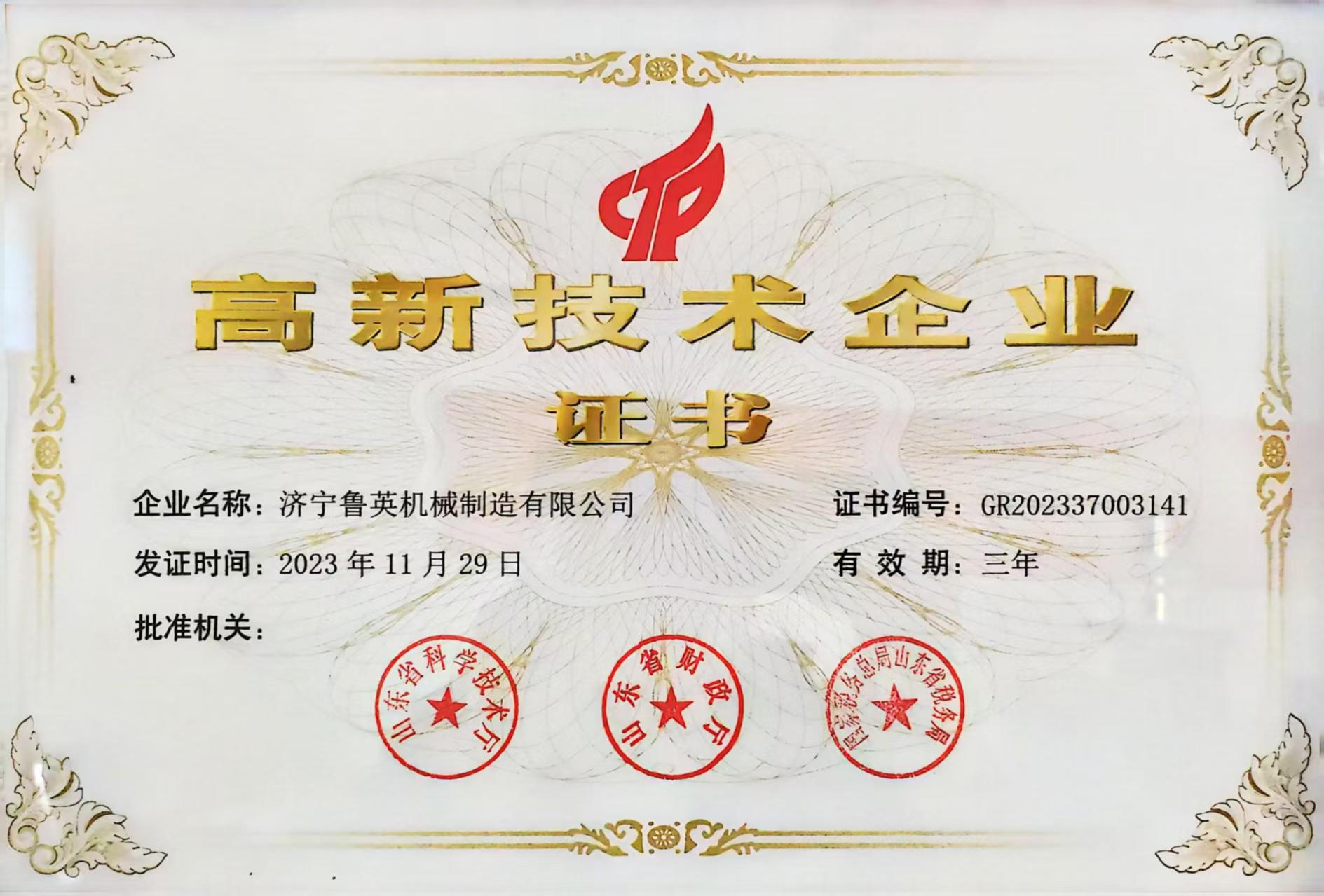
QUALIFICATIONS AND HONORS
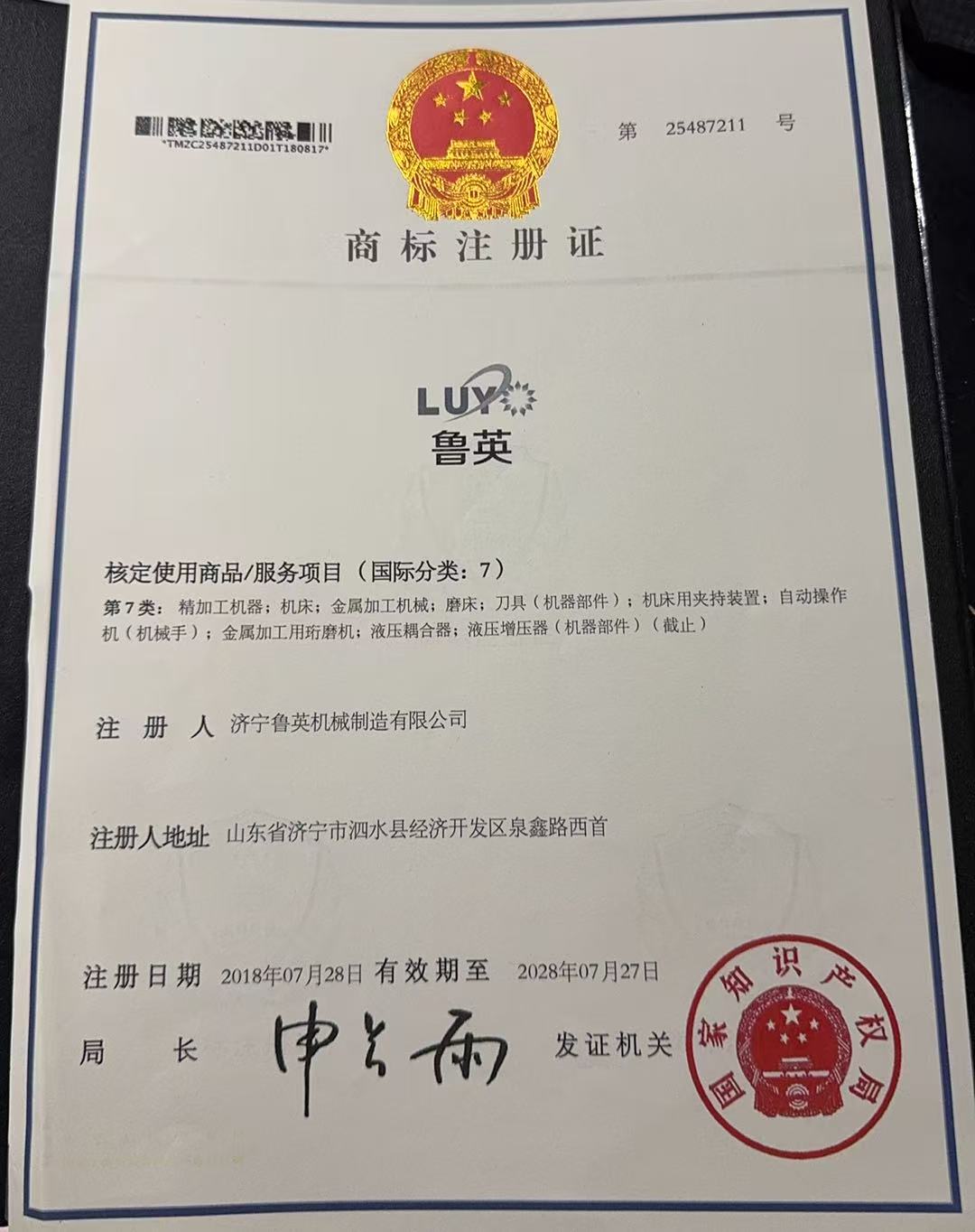
Trademark Registration Certificate
Quality Management System Certification
Quality Management System Certification
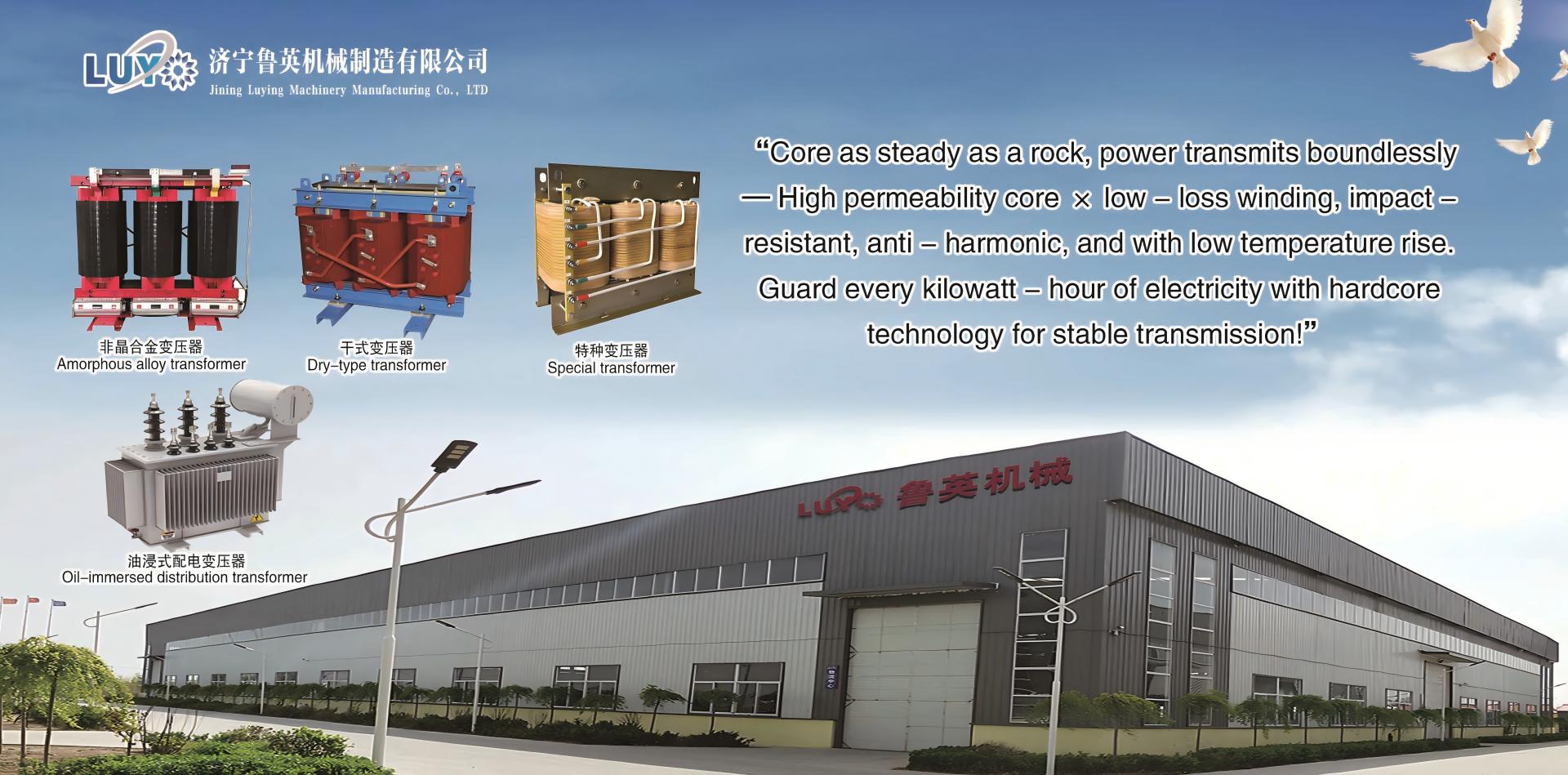
Jining Luying Machinery Manufacturing Co., Ltd.
We travel to the ends of the earth in search of theworld's finest fibres. Once home with us in italy.we transform them in sublime garments throughtime-honoured manufacturing techniques